The PIZ amendment changes the rules for issuing and settling support decisions in the Polish Investment Zone from 1 January 2027. We explain what changes compared with the current rules, who is affected and whether it is better to apply in 2026 or under the new rules.
The PIZ amendment – why and from when
The amendment to the Act on supporting new investments was passed by the Sejm on 22 October 2026, the Senate made no changes, and the President signed it on 18 November 2026 (announcement of the Ministry of Development and Technology, in Polish). At the time of writing, the act is awaiting publication in the Journal of Laws. The text of the act and its explanatory memorandum are available on the Sejm legislative process page (print 3160, in Polish).
The reason is simple: special economic zones cease to operate at the end of 2026, and the Polish Investment Zone remains the only CIT/PIT exemption scheme for new investments. The legislator wanted the scheme to be more attractive for investors, simpler to settle and better protected against abuse. What happens to existing zone permits is explained in our article end of SEZs in 2026 – what happens to zone permits.
Most of the new provisions take effect on 1 January 2027. Exceptions include mandatory filing through the electronic system (from 1 January 2029) and the formal repeal of the Special Economic Zones Act (31 December 2027).
Key changes to the support decision from 2027
The table below summarises what changes most for a manufacturing company. It applies to decisions issued in proceedings started on or after 1 January 2027.
| Issue | Until the end of 2026 | From 1 January 2027 |
|---|---|---|
| Support decision period | 12, 14 or 15 years – depending on the aid intensity in the region | 15 to 20 years |
| Income from a plant expansion | a close link between the income and the new investment must be shown | exempt income from the business activity specified in the decision, carried out on the specified site, if a new investment is carried out there |
| KAS opinion | none | mandatory where maximum aid is at least PLN 40 million |
| New jobs | at least 1 new job in every decision | still required, except for investments consisting solely of buying an industrial robot |
| Amending the decision | under the current rules | application before the condition deadline; some elements cannot be changed |
| Filing the application | also on paper | from 2029 only through an individual account in the IT system |
Support decisions for 15–20 years
Today the length of a decision depends on how much aid can be granted in a given region – the lower the aid intensity, the longer the period. The amendment sets one range for everyone: a decision is issued for no less than 15 and no more than 20 years. The exact period will be stated in the decision. According to the bill description, it is to depend on the area of the country.
Important: a longer decision does not increase the aid limit itself. The limit still results from eligible costs (or labour costs) and the aid intensity at the location. A longer period does, however, give more time to use that limit. This makes a big difference for companies with low income in the first years after an investment – for example because of depreciation of a new hall and machinery.
CIT exemption on reinvestment – simpler rules
The biggest practical change for companies expanding an existing plant is how exempt income is calculated. Until now, in a reinvestment the company had to show that the income was closely linked to the new investment – which was often difficult and disputed in a plant where old and new machines work on the same product.
Under the new provisions, the exemption covers income from the business activity specified in the support decision and carried out on the site specified in the decision – provided that a new investment is carried out within that activity and on that site. The explanatory memorandum states plainly that the aim is a simpler, unambiguous rule and fewer disputes with the tax office.
There are two caveats to keep in mind:
- when the exemption starts – for a decision based on investment costs, income is tax-exempt only from the month in which the investment completion deadline stated in the decision has passed; for a decision based on labour costs – from the month in which the company started incurring labour costs of the new employees,
- other activity on the same site – income from activity not covered by the decision must still be separated and taxed, even if it is carried out in the same hall.
The new rules apply to income from decisions issued after 31 December 2026. Decisions issued earlier, and decisions in proceedings started before 1 January 2027, remain under the current rules.
KAS opinion for large projects
The broader exemption comes with additional scrutiny. If the maximum permissible aid in a decision is at least PLN 40 million, the minister will ask the Head of KAS for an opinion before issuing it. The opinion assesses the data that determines the scope of the exemption: the business activity related to the new investment and the site where the investment will be located.
- The Head of KAS has one month for the opinion, which can be extended by one more month in justified cases.
- If the deadline is missed, the opinion is deemed positive.
- To the extent the opinion confirms the data in the draft decision, the tax authorities are bound by it – unless new circumstances come to light that were unknown at the opinion stage.
For smaller projects the act allows a request for such an opinion to be filed together with the application, but until the end of 2028 opinions will be issued only where aid is at least PLN 40 million. A typical SME investment will therefore not be reviewed in the coming years.
Robotisation without new jobs – a new exception
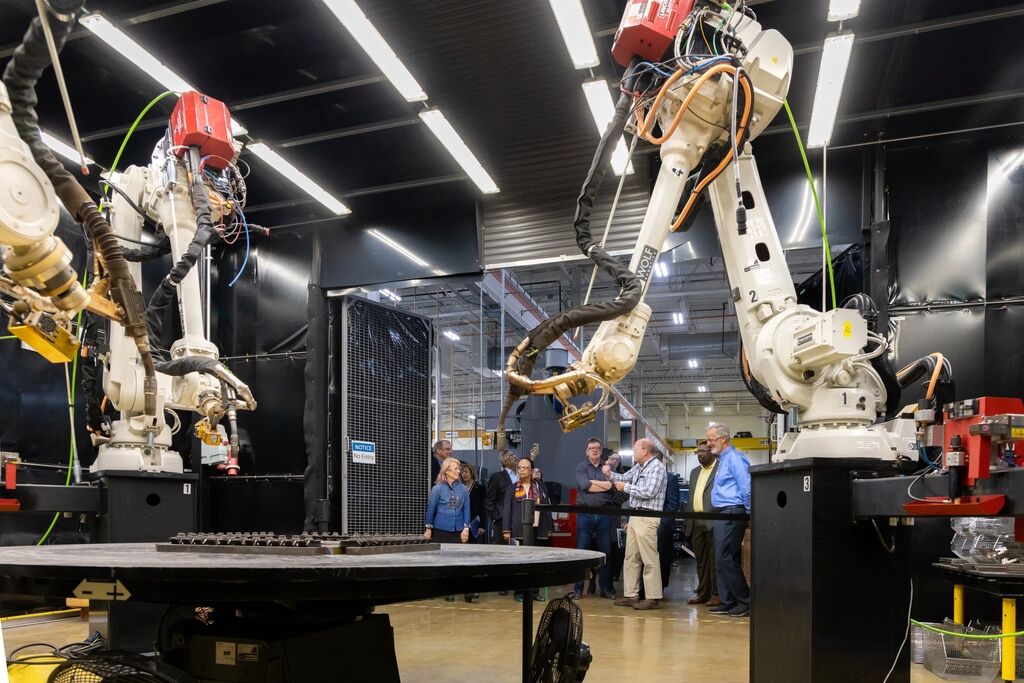
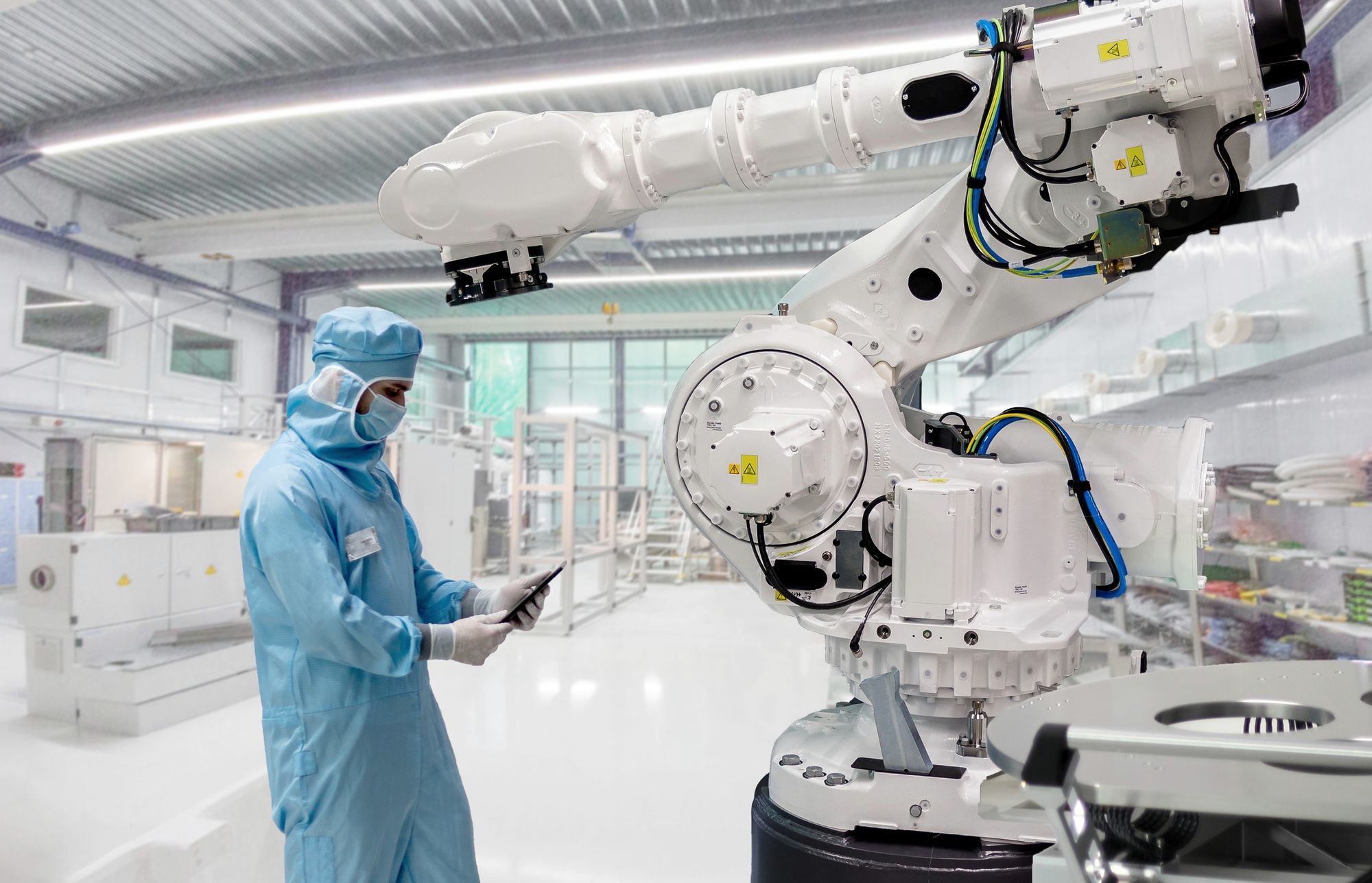
Today every support decision requires creating at least one new job. From 2027 this rule still applies, with one exception. The condition of creating new jobs does not apply to an investment in which the company declares eligible costs solely for the purchase of an industrial robot.
The act describes precisely which robot qualifies. It must be an automatically controlled, programmable, multipurpose machine (stationary or mobile) with at least 3 degrees of freedom, which at the same time:
- exchanges data digitally with control, diagnostic or monitoring devices – for remote control, programming, monitoring or diagnostics,
- is connected to systems that improve production, e.g. production management or planning systems,
- is monitored by sensors, cameras or similar devices,
- is integrated with other machines in the production cycle.
If the project includes anything besides the robot – a hall, other machines or software – the exception will not apply and a new job will have to be created. If the robot is to be leased, remember that only finance leasing can be an eligible cost in the PIZ – operating leases are excluded. More on which expenses count in our article eligible costs in the Polish Investment Zone.
Amending and terminating a support decision – new rules
Investments rarely go exactly to plan, so many companies apply to amend their decision. From 2027 several points are stricter:
- apply before the deadline – an amendment concerning incurring costs, hiring and retaining employees or completing the investment must be filed before the deadline it concerns; a late application will not be examined,
- employment – an amendment may not reduce the number of new jobs stated in the decision by more than 20%,
- fixed elements – as a rule, the average employment in the 12 months before the application, the business activity and the investment site cannot be changed; exceptions cover e.g. an error made in the proceedings or an obstacle preventing the investment at that location.
The amendment also clarifies termination of a decision at the company's request. The minister will confirm it when the company earned no exempt income under the decision, or when it used the aid and met all the conditions of the decision.
Apply in 2026 or in 2027?
The transitional provisions are clear: proceedings started and not completed before 1 January 2027 continue under the current rules. Decisions issued earlier remain valid for the period for which they were issued – they are not automatically extended to 20 years.
A company planning an investment around the turn of the year may therefore face a choice:
- application in 2026 – known rules and no KAS opinion, but a shorter decision period and the current way of calculating reinvestment income,
- application from 2027 – a longer decision and a simpler exemption for expansions, but the exemption based on investment costs only after the completion deadline, and a KAS opinion for large projects.
There is no single answer for everyone – it depends on the project size, location, schedule and when the company expects income. One thing does not change: the application must be filed before the investment starts. A first binding machine order or start of works before the application can cost you the support – details in our article when not to start your investment. The whole process is described in the PIZ support decision step by step.
Answers to the most common questions about the amendment – including when the new rules apply, what happens to existing decisions and when the Head of KAS reviews a decision – are collected in our FAQ, in the “PIZ amendment from 2027” section.
MSP Invest from Toruń prepares applications for a support decision in the Polish Investment Zone. If you are planning an investment in 2027, book a free consultation – we will compare which filing date is more favourable for your company.
This article is for information only and does not replace an individual analysis of your investment.
Planning an investment around the turn of 2026/2027? We will check free of charge whether it is better to apply for a support decision this year or under the new rules.
Free consultation+48 607 826 526